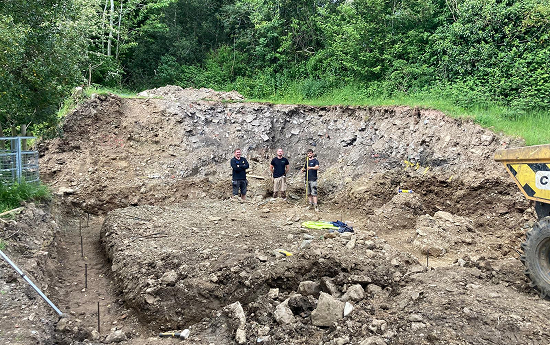
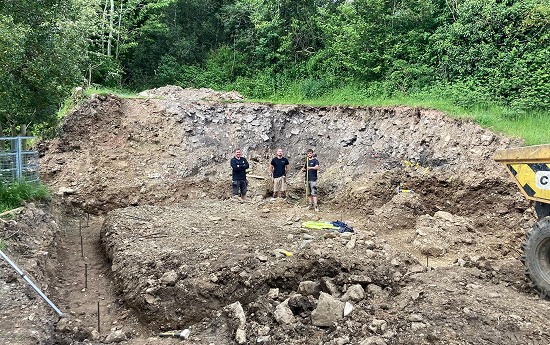
Groundworks represent the most critical phase of any construction project, serving as the literal and metaphorical foundation upon which every successful structure is built. Before a single brick can be laid or a steel beam raised, the ground must be meticulously prepared to ensure the long-term stability, safety, and integrity of the development. This complex stage of engineering involves a series of sub-surface works, ranging from initial site clearance and excavation to the installation of sophisticated drainage systems and the pouring of foundations. Because these elements are eventually hidden beneath the finished structure, their quality is paramount; any error made during the groundwork phase can lead to catastrophic structural issues years down the line.
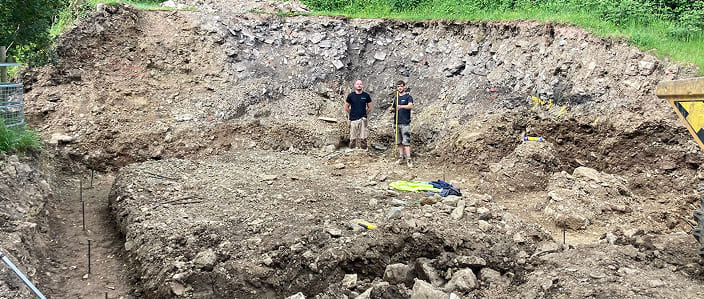
The process begins with a comprehensive site investigation, where engineers analyze soil composition, water tables, and the location of existing underground utilities. Following this, site clearance removes obstacles such as vegetation, debris, or old foundations, creating a “blank canvas” for the new build. Excavation then follows, where the earth is moved to the precise depths required for the footings. Depending on the soil type and the weight of the intended building, contractors may implement various foundation types, such as strip foundations, raft foundations, or deep piling for unstable ground. Each choice is a calculated response to the unique geological challenges of the site, ensuring that the weight of the building is distributed evenly to prevent subsidence or shifting.
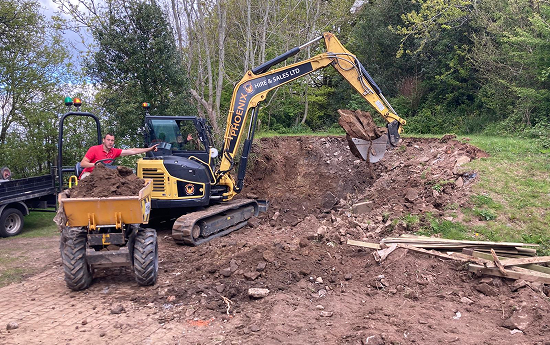
Finally, the groundwork phase concludes with the preparation of sub-bases for roads, driveways, and landscaping. This ensures that the external areas of a property are just as durable as the building itself. By the time the groundworks team leaves the site, they have transformed a raw piece of land into a high-performance platform, ready to support the architectural vision above. It is a demanding, highly technical discipline that requires heavy machinery, precision surveying and skilled expertise.